 John
JohnWall moulding has long been a staple in elegant interior design, bringing character, depth, and structure to plain walls. Once reserved for grand estates and traditional wall moulding homes, moulding has evolved into a versatile design element that suits both classic and contemporary interiors. From simple trim work to intricate paneling, wall moulding offers a timeless way to enhance the architectural appeal of any space. With growing popularity in modern décor trends, it’s becoming a must-have for homeowners and designers looking to elevate their interiors.
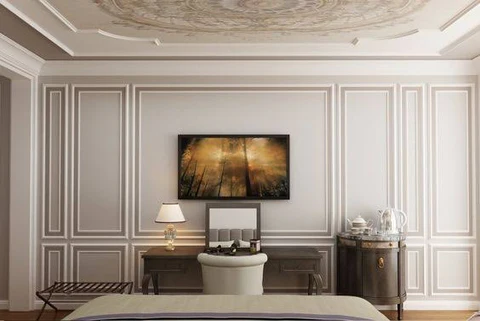
One of the main reasons wall moulding continues to thrive is its ability to add depth and dimension to flat surfaces. Walls often serve as blank canvases, but with the right moulding, they can be transformed into statement features. Picture frame moulding, wainscoting, and chair rails can break up large wall spaces and create a more visually appealing layout. These additions not only contribute to a room’s overall charm but also create a sense of structure and proportion that enhances the flow of the interior.
Wall moulding comes in many styles, offering design flexibility for different tastes and room functions. Traditional moulding designs, such as dentil or egg-and-dart patterns, provide a rich, historical look that’s perfect for formal dining rooms or classic living areas. On the other hand, more contemporary options, like slim vertical battens or geometric panels, lend a modern touch to bedrooms, offices, or hallways. The wide range of materials—from MDF and wood to polyurethane—ensures that moulding can fit various budgets and design goals.
One of the greatest advantages of wall moulding is its ability to elevate even the simplest spaces without major renovations. Adding moulding is a relatively low-cost way to achieve a high-end look. It can be installed on plain drywall to mimic architectural detail and give rooms a bespoke finish. Painted in the same color as the walls, moulding creates subtle texture and elegance. Alternatively, contrasting colors can be used to make the moulding pop, offering a bold and sophisticated design feature.
Beyond aesthetics, wall moulding also serves practical purposes. Chair rails can protect walls from scuffs and dents, especially in dining areas or busy households. Wainscoting can add insulation and cover imperfections in walls. Crown moulding, placed at the intersection of walls and ceilings, can conceal gaps and uneven edges while adding a luxurious finish. These functional benefits make moulding a smart design choice that not only beautifies a home but also increases its durability and value.
In conclusion, wall moulding is a timeless design element that blends beauty, versatility, and function. Whether you’re aiming for a regal, traditional feel or a sleek, contemporary look, there’s a moulding style to suit every vision. With minimal effort and cost, it can dramatically enhance the ambiance of a space, turning plain walls into works of art. As interior design continues to evolve, wall moulding remains a favorite tool for adding depth, elegance, and a custom finish to any room.

 admin
admin