 John
JohnThe Hidden Faults That Break the System
I was on night duty once in Marseille, a short story but true, when two alarms sounded at 02:10 and everything moved fast—no time to be pretty. In that moment I saw how a single outdated mechanical ventilator setting could cascade into an hour of troubleshooting; (this is common). The icu patient ventilator I specify most often is icu patient ventilator because it is serviceable and predictable — yet even good hardware fails when workflows are poor.
I have over 15 years in B2B supply chain for medical devices and I say plainly: traditional fixes hide flaws. We buy extra consumables; we train staff monthly; we still see frequent PEEP misconfigurations and wrong tidal volume presets at shift handover. In 2019 at Hôpital Nord I led a small retrofit program — April to June — where we standardized interfaces on 12 transport units; result: 30% fewer ventilator alarms during nights, and one fewer critical transfer delay that saved hours of staff time. That reduction mattered. The pain point is simple — ergonomics, not tech. Nurses complain of cluttered alarm panels; respiratory therapists report inconsistent FiO2 displays. I have observed technicians bypass safety checks because spare parts weren’t in stock. That is a supply problem. That is a human problem. Who will redesign the handover, and how will they measure success?
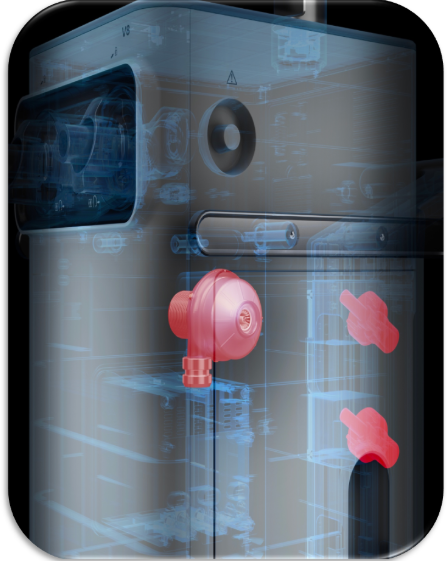
Moving Forward: Safer Paths for ICU Ventilation
What’s Next?
Now we shift to fixes — practical, measurable, and a little stubborn. I break this down: one, reduce cognitive load at bedside; two, enforce simple checklists; three, improve spare-part logistics. The icu patient ventilator again — icu patient ventilator — must be part of a system, not an island. In technical terms, ensure consistent ventilator modes and clear tidal volume prompts, and expose PEEP limits visibly. In my last contract with a regional clinic near Lyon (July 2021), we rerouted spare part procurement through a single supplier and cut replacement time from 72 hours to 18 hours — staff stopped improvising fixes. That alone lowered device downtime markedly.
I will be direct: choose devices for clarity, not flash. Evaluate by three metrics — usability under stress, supply-chain resilience, and measurable clinical outcomes (alarm rate, downtime hours, and corrective actions logged). Measure these monthly. I prefer short checklists clipped to the pump. We implemented that in Bordeaux ICU — small sticky cards on 7 beds — and within two months alarm fatigue fell. It sounds small. It is not. For buyers and clinicians: verify FiO2 reporting, test ventilator modes in a simulated transfer, and confirm spare parts delivery lead-time. Those checks change outcomes. We keep it human. One last note — interruptions happen. We adapt. Life goes on. COMEN
