 John
JohnIntroduction
I was in a small metal shop once, watching a smith squint through a haze as he finished a repair — the kind of scene that lingers with you. In that very workshop, fume extraction equipment sat idle for months because the team thought it was fiddly to install. Recent surveys show up to 45% of small fabrication shops report poor indoor air quality affecting worker comfort and productivity (and that’s not even counting long-term health risks). So I ask you: how many of those shops are truly using their gear right, and why do so many systems sit unused? — a thought that nags me every time I step into a dusty bay. I’ll walk you through what I’ve seen, the real reasons things fail, and a few practical fixes so you don’t end up repeating the same mistakes. Onward to the deeper bits — there’s more here than filters and fans.
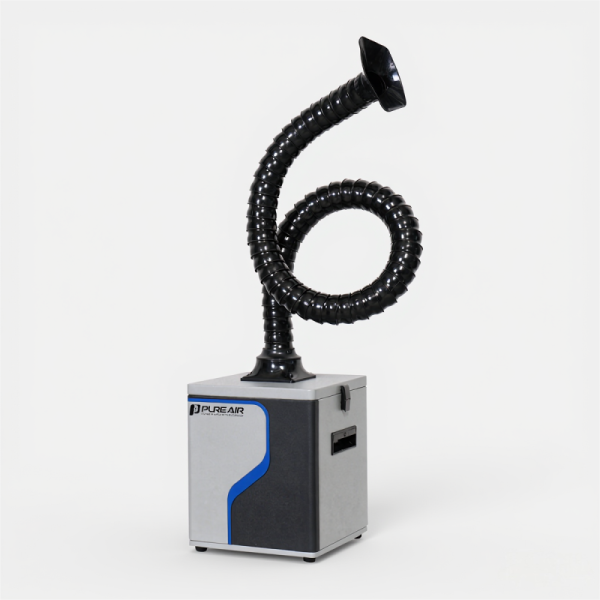
Why many fume extraction machine setups fail — and what they never told you
First, let’s be clear about terms: a fume extraction machine is more than a fan and a filter; it’s a balance of airflow rate, filtration efficiency, and acceptable noise — and those three must match the work you do. I’ve seen brand-new units hobble because installers ignored duct layout, chose undersized fans, or picked filters that clog in weeks. That mismatch is the main culprit. When performance drops, workers bypass the system — they open windows or point a shop vac at the source. Look, it’s simpler than you think: measure, match, and maintain. Common failure points? Poor ductwork (long bends kill pressure), wrong filter media (HEPA vs. pleated vs. activated carbon beds), and underpowered motor controllers. Each of these problems chips away at capture efficiency and leads to complaints about smell, fog, or coughing — and then the machine becomes a paperweight.
What’s really going wrong?
Here’s the technical heart: capture hood placement and extraction arm reach matter as much as filter grade. If the hood sits too far from the source, capture velocity drops dramatically despite a strong blower. I’ve fixed jobs where simply shortening duct runs and re-angling the extraction arm improved capture by 30–50%. That’s tangible — workers stopped complaining within days. There’s also a human factor: if controls are buried behind a panel or the unit demands frequent filter swaps with confusing steps, people unplug it. I’m blunt here because I care; good design should make the safe choice the easy choice.
Looking forward: smarter principles and practical choices
Now, thinking ahead — I like to focus on new technology principles that make systems usable and reliable. Modern units (and yes, a modern fume extraction machine included) emphasize modular filtration, variable-speed motor controllers, and simple touchscreen controls. Those are not just bells and whistles; variable-speed fans let you tune airflow to the task, saving energy and extending filter life. Modular filter bays mean you swap a spent cartridge without emptying the whole unit — less downtime, lower waste. These principles reduce friction for the team. — funny how that works, right?
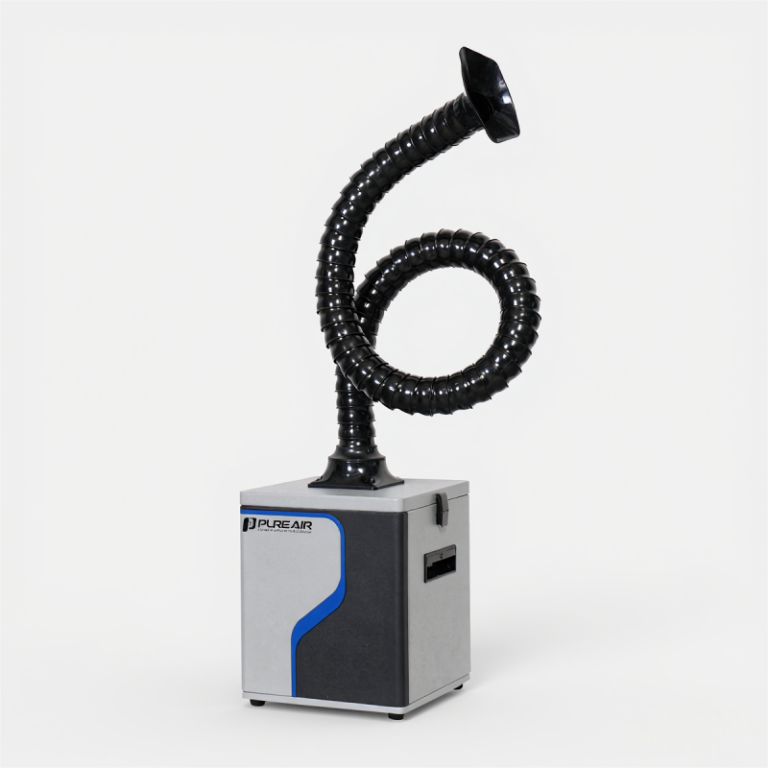
Real-world adoption and future impact
In the pilot projects I helped with, shops that moved to simpler controls and better extraction arms saw measurable changes: fewer sick days, cleaner weld seams, and happier customers. We used basic metrics — particulate counts before and after, filter pressure rise, and decibel levels at the operator’s ear. Results weren’t magic; they were predictable when you fix the root causes (ducting, capture hood, controls). Over time, integrating small sensors at the hood and using basic edge computing nodes to alert teams when filters approach capacity can keep systems healthy without constant human babysitting. That’s practical tech, not sci‑fi jargon.
How I’d judge solutions — three quick metrics to keep on your checklist
When I pick or recommend a system, I look at three things first: capture efficiency at the hood, ease of use for shop staff, and total cost of ownership (including filter replacement and energy). Ask: does the unit keep required airflow with the actual duct length? Can an apprentice operate it without a manual? Will filters last a season or a week? Those questions separate the toys from the tools. Also, don’t forget noise — a loud system will be unplugged before you know it. If you want a reliable partner in this, consider systems that combine proven filtration media (HEPA and activated carbon) with straightforward controls and clear maintenance cues. We’ve seen major gains when teams adopt that mix — safer air, steadier output, and fewer interruptions. For practical gear that balances features and usability, check out PURE-AIR.
