 SEO
SEO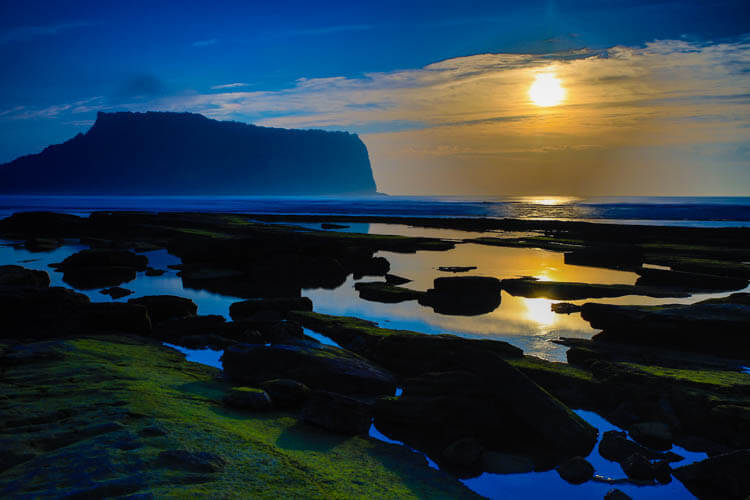
Jeju Island, located off the southern coast of South Korea, is a mesmerizing destination known for its breathtaking landscapes, rich cultural heritage, and diverse attractions. Often referred to as the “Hawaii of South Korea, ” Jeju offers a unique blend of volcanic topography, lush greenery, and pristine beaches, making it a perfect getaway for jeju travel nature enthusiasts and adventure seekers alike. The island’s mild climate and well-developed tourist infrastructure ensure a comfortable and enjoyable visit for travelers from around the world. From hiking up majestic mountains to exploring traditional villages, Jeju promises a myriad of experiences that cater to all interests.
The crown jewel of Jeju is Hallasan Mountain, the tallest peak in South Korea, standing at 1, 947 meters. This dormant volcano, situated in Hallasan National Park, is a haven for hikers and nature lovers. The ascent to the summit offers panoramic views of the island and its surrounding seas, while the trails showcase a variety of ecosystems, from dense forests to alpine meadows. Hallasan is also home to diverse flora and fauna, including many species unique to the island. For those who prefer a less challenging hike, there are numerous shorter trails that provide equally stunning scenery and a chance to enjoy the island’s natural beauty.
Jeju’s coastline is equally captivating, featuring some of the most beautiful beaches in South Korea. Hyeopjae Beach, with its clear turquoise waters and soft white sand, is ideal for swimming and sunbathing. Another coastal highlight is Seongsan Ilchulbong, or Sunrise Peak, a volcanic crater offering one of the most spectacular sunrise views on the island. The hike to the summit is relatively short and rewarding with breathtaking vistas. Additionally, the Jusangjeolli Cliffs, formed by cooling lava into hexagonal columns, add to the island’s geological wonders and are a must-visit for any traveler seeking to experience Jeju’s unique natural formations.
Cultural heritage plays a significant role in the Jeju experience, with numerous sites offering insights into the island’s history and traditions. The Seongeup Folk Village is a well-preserved historical site where visitors can explore traditional Jeju architecture, thatched-roof houses, and ancient stone statues. The Jeju Folklore and Natural History Museum provides a comprehensive look at the island’s cultural evolution and natural history through a variety of exhibits. For a more immersive cultural experience, the O’sulloc Tea Museum offers a glimpse into Korea’s tea culture, surrounded by beautiful tea fields and offering a serene environment for visitors to relax and enjoy.
Adventure seekers will find plenty of activities to satisfy their thrill-seeking desires on Jeju Island. The island’s clear waters are perfect for scuba diving and snorkeling, offering a chance to explore vibrant coral reefs and diverse marine life. Manjanggul Cave, one of the longest lava tubes in the world, provides a fascinating underground adventure with its impressive lava formations. For family fun, Jeju’s theme parks, such as Eco Land Theme Park and Jeju Dinosaur Land, offer a variety of attractions and activities, including scenic train rides, dinosaur exhibits, and botanical gardens, ensuring an enjoyable experience for visitors of all ages.
In conclusion, Jeju Island is a destination that offers an unparalleled blend of natural beauty, cultural richness, and outdoor adventure. Whether you are hiking up the majestic Hallasan Mountain, relaxing on a tranquil beach, exploring traditional villages, or diving into the depths of the ocean, Jeju promises an unforgettable journey filled with discovery and delight. The island’s diverse attractions and unique charm make it a must-visit location for anyone looking to experience the best of South Korea’s natural and cultural offerings.

 admin
admin